
Septic Infrastructure That Functions Reliably
Septic System Installation & Repair in Adams for rural properties requiring new system installation, replacement of failing systems, or repair of existing infrastructure
Rural properties throughout Northern New York depend on septic systems as essential infrastructure where municipal sewer service does not reach. DeWitt Construction LLC installs new septic systems for construction projects, replaces aging or failing systems, and repairs components that affect proper operation. A correctly installed system processes wastewater without surfacing effluent, backup odors, or drainage field saturation that creates wet spots in the yard.
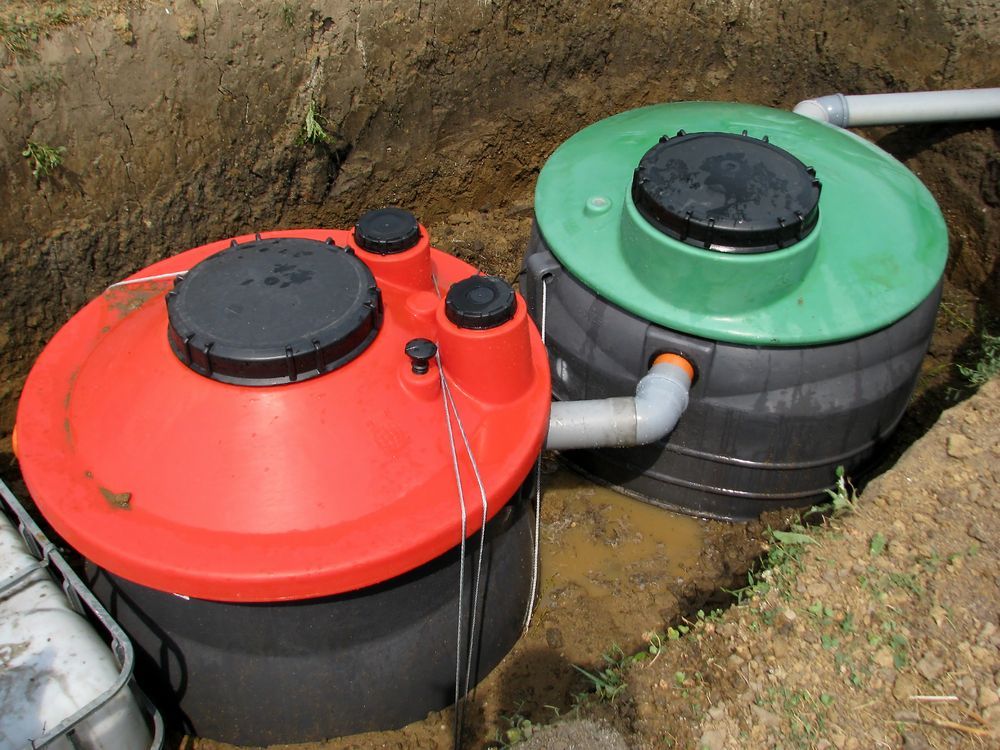
Installation involves excavating for the tank and drainage field, placing components at depths and spacing determined by soil percolation rates and local code requirements, and connecting inlet and outlet piping that directs flow through the system. System sizing depends on household occupancy and daily water use, while drainage field design responds to soil type—sandy soils absorb effluent faster than clay, affecting field dimensions and layout. In Northern New York, frost depth requirements dictate minimum burial depths to prevent freeze damage during winter months.
Arrange an inspection to evaluate current system performance and identify repair or replacement needs.
How Septic Systems Address Wastewater Processing
Septic systems separate solids from liquids in the tank, allowing partially treated effluent to flow into the drainage field where soil microbes complete the treatment process. Tank baffles prevent solids from entering outlet lines, while proper venting allows gases to escape rather than creating pressure that forces wastewater backward into the house. Drainage fields distribute effluent through perforated pipes surrounded by gravel, allowing liquid to percolate into surrounding soil at rates the ground can absorb without saturation.
Once installation completes and the system operates under normal use, you notice that drains function without slow clearing or gurgling sounds, no sewage odors appear around the tank or drainage field area, and the yard above the drainage field stays dry rather than showing wet patches or unusually green grass. Repairs address specific failure points—cracked tanks that leak, clogged distribution boxes that prevent even flow to drainage lines, or saturated fields that require expansion or relocation when soil absorption capacity decreases over time.
System longevity depends on regular pumping to remove accumulated solids before they reach levels that push material into the drainage field, and on water use patterns that avoid overwhelming the system's daily processing capacity. Upgrades may involve adding tank capacity for expanded households, installing effluent filters that protect drainage lines from solids, or replacing gravity systems with pressure distribution when site conditions require more controlled effluent delivery across the drainage field.
Answers to Frequent Service Questions
Property owners considering septic work often ask about system lifespan, site requirements, and repair versus replacement decisions.
What determines whether a system needs repair or full replacement?
Repairs address isolated component failures like broken baffles, cracked risers, or clogged distribution lines, while replacement becomes necessary when tanks crack extensively, drainage fields saturate beyond recovery, or systems no longer meet current code requirements for household size.
How do soil conditions in Adams affect septic system design?
Northern New York properties with clay soils require larger drainage fields because clay absorbs effluent slowly, while sandy soils allow smaller fields but may need deeper placement, with percolation testing determining exact field sizing during the permit process.
What does proper septic installation include beyond the tank and field?
Complete installation includes inlet and outlet piping with proper slope, distribution boxes that divide flow evenly across drainage lines, aggregate bedding around perforated pipes, and risers that bring tank access to grade level for future pumping.
When should a septic system be pumped?
Most systems require pumping every three to five years depending on household size and water usage, with pumping removing accumulated solids before they reduce tank volume or escape into the drainage field where they clog soil pores.
How long does septic system installation typically take?
Installation duration depends on system size, excavation conditions, and site access, with most residential projects completing within several days once permits are secured and site preparation allows equipment access.
DeWitt Construction LLC serves rural properties across Northern and Central New York where dependable septic infrastructure supports daily household operation. Contact us to schedule a system evaluation or discuss installation requirements for new construction or system replacement projects.